
Can Dogs Eat Vegetables?
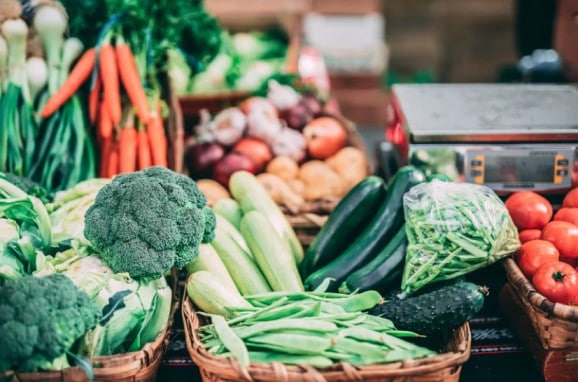
Can dogs eat vegetables? It's normal to want to spoil your dog by sharing some human table scraps or a healthy vegetable snack. As humans, we all know how important vegetables are for our diets — they're full of vitamins, minerals, and fiber and low in calories. It might surprise you to know that some of these nutritious foods can also be beneficial to your pet's health. Last week we discussed fruits dogs can and cannot eat; in this blog we focus on vegetables.
Read on to find out which vegetables are okay for sharing on occasion and which ones are toxic to dogs.
Vegetables That Are Okay for Dogs
- Broccoli — safe for dogs in very small quantities, best served as an occasional treat. It's high in fiber and vitamin C and low in fat. However, broccoli florets contain isothiocyanates, which can cause mild-to-severe gastric irritation in some dogs, and stalks may cause an obstruction if not cut up properly.
- Brussels Sprouts — yes, dogs can eat Brussels sprouts. They're loaded with nutrients and antioxidants that are great for humans and dogs alike. Don't overfeed them, though, because they can cause gas and bloat. Cabbage is also safe but causes the same gassy symptoms.
- Carrots — an excellent low-calorie snack that is high in fiber and beta-carotene, which produces vitamin A. Plus, crunching on this orange veggie is great for your dog's teeth. Slice carrots lengthwise so your dog does not choke on them.
- Celery — safe for dogs to eat. In addition to vitamins A, B, and C, this crunchy green snack contains nutrients that promote a healthy heart. Celery is also known to freshen your dog's breath.
- Cucumbers — especially good for overweight dogs. They hold little to no carbohydrates, fats, or oils, and can even boost energy levels. Cucumbers are loaded with vitamins B1, C, and K, plus potassium, copper, magnesium, and biotin.
- Green Beans — chopped, steamed, raw, or canned, all types of green beans are safe for dogs as long as they are plain and not seasoned. They're full of important vitamins and minerals, plus fiber, and are low in calories. Opt for low-salt or no-salt canned green beans.
- Peas — green peas, snow peas, sugar snap peas, and garden or English peas are all okay on occasion. Peas have several vitamins and minerals, and are rich in protein and high in fiber. You can feed your dog fresh or frozen peas, but avoid canned peas with added sodium.
- Potatoes — yes, dogs can eat potatoes. Give plain potatoes only occasionally, and only if cooked, as raw potatoes can be rough on the stomach. A washed, peeled, plain boiled or baked potato contains lots of iron. Avoid mashed potatoes, which often contain butter, milk, or seasonings.
- Spinach — in moderation, dogs can eat spinach, but it's not one of the top vegetables to share. Spinach is high in oxalic acid, which blocks the body's ability to absorb calcium and can lead to kidney damage. Your dog would probably have to eat a very large amount to have this problem, but another vegetable may be a better choice.
- Sweet Potatoes — yes, dogs can eat sweet potatoes. They're packed with nutrients, including fiber, beta-carotene, and vitamins B6 and C. As with regular potatoes, only give washed, peeled, cooked, and unseasoned sweet potatoes that have cooled, and avoid sugary sweet potato pies and casseroles.
Vegetables That Are Not Okay for Dogs
- Asparagus — while not necessarily unsafe, there's little point in giving it to dogs. It's too tough to eat raw, and by the time you cook it soft enough, it loses much of its nutrients. Something more beneficial is probably a better choice.
- Garlic — while garlic is good for us, dogs metabolize it differently. According to the Merck Veterinary Manual, garlic and other members of the Allium family, including onions, contain thiosulfate, which is toxic to dogs but not to humans.
- Mushrooms — dogs should avoid mushrooms. Wild mushrooms can be toxic; while only a small fraction of mushroom species are known to be poisonous, the ones that are can really hurt your dog or even lead to death. Washed white mushrooms from the supermarket may not be harmful, but it's better to be safe than sorry.
- Onions — dogs should never eat onions. Onions, leeks, and chives are part of the Allium family that is poisonous to most pets. Eating onions can cause your dog's red blood cells to rupture, and can also cause vomiting, diarrhea, stomach pain, and nausea. Poisoning is more serious in Japanese breeds like Akitas and Shiba Inus, but all dogs are susceptible.
- Tomatoes — while the ripened fruit is generally considered safe, the green parts of the tomato plant contain a toxic substance called solanine. A dog would need to eat a large amount to get sick, but it's better to skip tomatoes altogether just to be safe.
If your dog eats any of these toxic vegetables, contact your veterinarian right away or call the ASPCA Animal Poison Control Center at (888) 426-4435.
About FlexPet: FlexPet is a joint supplement for dogs built around CM8® (cetyl myristoleate) — made in the USA and trusted since 1999. See what makes CM8® different →