
Can Dogs Eat Fruit?
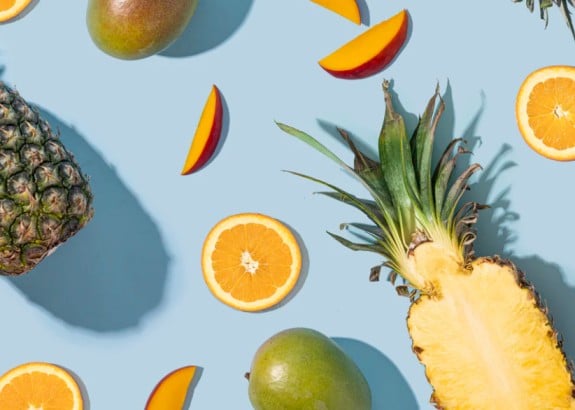
Can dogs eat fruit? It's normal to want to spoil your dog by sharing some human table scraps or your favorite fruit snack. In the summertime when fruits are ripe, they can often be in abundance and seem like a healthy snack. If it's safe for you to eat, it must be OK for dogs to eat, right? Not necessarily. While many fruit varieties are safe for dogs, some are very unhealthy and even highly toxic. It's critical to learn which fruits dogs can eat before tossing your pet a fruit treat.
Dogs digest differently than we do. Eating the wrong foods can lead to health and bowel problems and, in some extreme cases, even death. Dogs are carnivores and have no real need for fruits or vegetables in their diet, but an occasional piece of fruit is okay. Read on to find out which fruits are okay for sharing on occasion and which fruits are toxic to dogs.
Fruits That Are Okay for Dogs
- Apples — an excellent source of vitamins A and C, as well as fiber for your dog. They are low in protein and fat, making them a good snack for senior dogs. Just be sure to remove the seeds and core first. Try them frozen for an icy warm-weather snack.
- Bananas — in moderation, bananas are a great low-calorie treat. They're high in potassium, vitamins, biotin, fiber, and copper, and low in cholesterol and sodium; but because of their high sugar content, bananas should be given as an occasional treat, not part of your dog's main diet.
- Blueberries — a superfood rich in antioxidants, which help prevent cell damage in humans and canines alike. They're packed with fiber and phytochemicals as well. Try a couple as an alternative to store-bought treats.
- Cantaloupe — packed with nutrients, low in calories, and a good source of water and fiber. It is high in sugar, though, so share in moderation and give sparingly to dogs who are overweight or have diabetes.
- Cranberries — both fresh and dried cranberries are safe to feed in small quantities. Whether or not your dog will like this tart treat is another question. As with most treats, too many may lead to an upset stomach.
- Cucumbers — especially good for overweight dogs. They hold little to no carbohydrates, fats, or oils, and can even boost energy levels. Cucumbers are loaded with vitamins B1, C, and K, plus potassium, copper, magnesium, and biotin.
- Mango — this sweet summer treat is packed with vitamins A, B6, C, and E, plus potassium and both beta-carotene and alpha-carotene. Remove the hard pit first, as it contains small amounts of cyanide and can be a choking hazard. Mango is high in sugar, so use it as an occasional treat.
- Oranges — fine for dogs to eat, according to veterinarians, though your pet may not be a fan of strong-smelling citrus. Oranges contain vitamin C, potassium, and fiber. Only offer the flesh, not the peel or seeds; orange peel is rough on their digestive systems, and the citrus oils may be too strong for your dog's sensitive nose.
- Peaches — small amounts of cut-up fresh or frozen peaches are a good source of fiber and vitamin A. Just like cherries, the pit contains cyanide, so completely cut around it first. Canned peaches usually contain high amounts of sugary syrup and should not be offered.
- Pears — a great snack, high in copper, vitamins C and K, and fiber. Be sure to cut pears into bite-size chunks and remove the seeds first, as they also contain traces of cyanide. Avoid canned pears with sugary syrups.
- Pineapple — raw pineapple, in small amounts, is an excellent snack; canned pineapple should be avoided because the syrup contains too much sugar. Remove the prickly outside peel and crown first. This tropical fruit is full of vitamins, minerals, and fiber, and also contains bromelain (an ingredient in FlexPet), an enzyme that makes it easier for dogs to absorb proteins and supports a healthy inflammatory response.
- Raspberries — okay in moderation. They contain antioxidants that are great for dogs, and are low in sugar and calories but high in fiber, manganese, and vitamin C. They have anti-inflammatory properties, which can help aging joints. However, they contain small amounts of xylitol, so limit your dog to a few at a time.
- Strawberries — full of fiber and vitamin C, and they also contain an enzyme that can help whiten your dog's teeth. They're high in sugar, so give them in moderation.
- Watermelon — remove the rind and seeds first, as they can cause intestinal blockage, but the flesh is otherwise safe. It's full of vitamins A, B6, and C, as well as potassium, and is 92 percent water, so it's a great way to help keep your dog hydrated on a hot day.
Fruits That Are Not Okay for Dogs
- Avocado — while it may be a healthy snack for people, avocado should not be given to dogs. The pit, skin, and leaves contain persin, a toxin that often causes vomiting and diarrhea in dogs. The fleshy inside has less persin than the rest of the plant, but it's still too much for dogs' stomachs to handle.
- Cherries — with the exception of the fleshy part around the seed, cherry plants contain cyanide and are highly toxic to dogs. Cyanide disrupts cellular oxygen transport. If your dog eats cherries, watch for dilated pupils, difficulty breathing, and red gums, as these may be signs of cyanide poisoning.
- Grapes — grapes and raisins (dried grapes) are very toxic to dogs regardless of breed or age. They can lead to acute, sudden kidney failure and death. Always be mindful of this dangerous fruit.
- Tomatoes — while the ripened fruit is generally considered safe, the green parts of the tomato plant contain a toxic substance called solanine. A dog would need to eat a large amount to get sick, but it's better to skip tomatoes altogether just to be safe.
If your dog eats any of these toxic fruits, contact your veterinarian right away or call the ASPCA Animal Poison Control Center at (888) 426-4435.
About FlexPet: FlexPet is a joint supplement for dogs built around CM8® (cetyl myristoleate) — made in the USA and trusted since 1999. See what makes CM8® different →