
7 Reasons Why Dogs Lick Their Paws
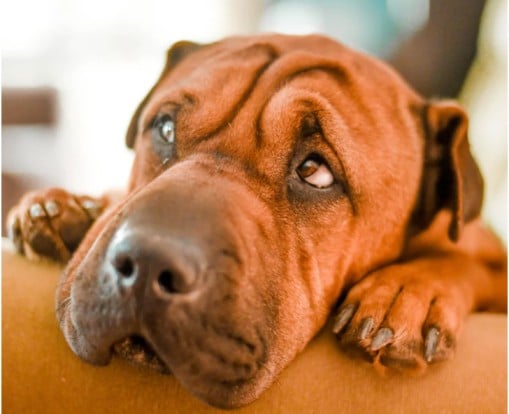
We all notice dogs licking their paws from time to time. It's normal for dogs to lick and clean their paws occasionally, but excessive paw-licking may be a sign of a health problem. If you see your dog frequently licking his or her paws, it might be time to take action to figure out the cause.
Dogs rely on healthy paws for walking, running, and fetching, which is why it is essential to take good care of your dog's paws. Their paw pads provide insulation for a dog's feet, provide traction, aid with balance, slowing down, and stopping, and act as shock absorbers for the bones and joints that make up your dog's feet and legs. Dog paws are very durable and designed to withstand a large amount of activity and wear. However, they do encounter problems from time to time.
Why Do Dogs Lick Their Paws?
Here are some of the most common reasons that dogs lick their paws more than usual:
Dry Skin/Dermatitis
Dermatitis is an itchy skin condition that can affect pets. With this condition, usually an allergic reaction occurs, causing the animal to rub, lick, bite, or scratch. This may give your pet relief, but the cause of the allergy needs to be determined. Hyperkeratosis is a common skin condition in dogs that results in thickened skin on the paws. It usually comes on in the first few years of your dog's life. Excess keratin can make the paw pads extremely thick and dry, to the point where even walking can be painful. Weather and the elements can also put a beating on your dog's paws. Without care, burnt or dry paw pads can crack or bleed over time, and when your dog licks itself, the injury could get an infection.
Allergies
When it comes to allergies, almost anything is fair game — food, chemicals in the yard, mold, pollen, certain types of carpet, you name it. When dogs are exposed to an allergen, their skin may become red and extremely itchy. According to veterinary research, the most common canine allergens are beef, dairy, wheat, egg, chicken, and fish, and most dogs are allergic to more than one thing. Flea and tick allergies are also common; both of these pests can cause extremely itchy sores, especially if your dog is allergic.
Pain and Arthritis
Dogs have a strong instinct to lick and clean their wounds. Even if the discomfort is somewhere other than their paws, they may lick them as a comforting mechanism. If you notice your dog is also reluctant to play, is losing weight, or is generally more withdrawn than normal, get a check-up from your veterinarian. If your dog has arthritis (nearly two-thirds of dogs over 6 years do), a daily joint supplement like FlexPet can help support their joint health.
Anxiety
If your dog is anxious or stressed, he or she may lick excessively. This is similar to the way some people bite their nails when they're nervous; it can give a calming feeling of relief. Take note if your pup starts licking around the same time every day, like right before a nap or going to bed. This can be a sign the licking is behavioral. As long as there are no signs of injury (redness, swelling, hair loss, etc.), anxious licking can often be eased by addressing the underlying stress — calming routines, more enrichment, and guidance from your veterinarian. Take into consideration your own stress level, too; dogs read our non-verbal cues and empathize with our anxiety.
Yeast Infection
Yeast dermatitis is a common skin condition in dogs that causes the skin to overproduce oil and become extremely itchy. Then, when your dog scratches and starts licking, the yeast spreads. It's a cycle that often requires an antifungal medication to control. Besides itchiness and inflammation, one of the key symptoms of a yeast infection is rotten-smelling skin — it smells really bad. Dogs with a lot of skin folds, like Bulldogs and Pugs, are more susceptible to this type of infection.
Boredom
As we mentioned, dogs may lick their paws to make themselves feel better. This may also explain why a dog would lick their paws if they are bored. Boredom actually increases levels of the stress hormone cortisol, and paw licking reduces that stress hormone. As with us, a dog's experience of boredom depends on the breed and how active they are. An intelligent working dog will require more attention and brain stimulation.
Ensure you are meeting your pet's daily exercise needs. Spend time working on training and play some brain games. If you have to leave your dog alone for short periods, allow them space to roam in the house and leave toys for them to play with.
Grooming
Finally, another reason you may see dogs licking their paws is simply that they are grooming themselves. Perhaps you've been for a walk or they've been out in the yard, and they are cleaning. Grooming behavior is easy to notice, as your dog will lick each of their paws rather than focusing specifically on one paw. They may also gnaw or nibble at a paw if they have something stuck to or in it, like a thorn. This is pretty typical behavior.
About FlexPet: FlexPet is a joint supplement for dogs built around CM8® (cetyl myristoleate) — made in the USA and trusted since 1999. See what makes CM8® different →