
How to Care for an Aging Dog
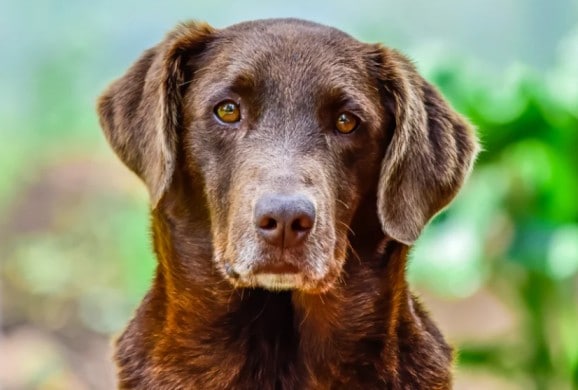
While we do not like to think about our dogs getting older, the truth is dogs have a shorter life span than us. An aging dog needs extra comfort, care, and relaxation as aging takes place. Just like us, our pet dogs have "senior moments" and age-related health concerns.
During the colder winter months especially, aging dogs need extra support. Some common signs of aging can include senile moments around the home, or not recognising family members. As dogs age, they may lag behind on walks due to joint stiffness. They begin to struggle to jump up on the couch or bed. If you are concerned about your pet, be sure to speak to your vet. They are best placed to offer advice and support with regards to an aging dog.
Here are some things that naturally happen to an aging dog:
- Appetite changes
- Increased water drinking (which may indicate diabetes or liver/kidney issues)
- Bad breath
- Weight gain or loss
- Lumps, cysts, bumps, tumors
- Lethargy – less energy and increased napping
- Exercise intolerance
- Joint pain and inflammation
Tips to Care for an Aging Dog
Keep your pet active. Every dog needs plenty of exercise to stay healthy. And, while an aging dog decreases activity in their older years, it is important to keep a routine. Daily walks for your senior dog will help to prevent weight gain. Also, walks aid their cognitive function by keeping their mind alert and active. Walks can be shorter for an aging dog but are important to keeping a healthy weight and discouraging joint pain.
Make pet nutrition a priority. As he ages, your pooch moves less due to muscles and bones weakening. Research pet foods designed for senior pets. A high-quality food is packed with nutrients to give your pet more strength. Senior foods will have fewer calories, reduced fat and contain more fiber. Advances in scientific research over the last few years have brought specially formulated diets. These types of pet foods are available to help manage medical conditions associated with aging. However, these should be used under veterinary advice. And, all dietary changes should be made gradually.
Reduce your pet's stress levels. Unlike a younger pup, older dogs might not be able to handle stressful situations as well. Try to keep your pet happy and relaxed. Ensure you reduce any stress at home by giving them a relaxing spot to sleep. Keep noise levels down and prevent any chaotic situations or behaviors that may make them feel anxious. Talk to your pet. Give them the attention they need as well as plenty of time to rest and relax in comfort.
Joint care is key. If you want your aging dog to have a long and happy life, make sure you pay close attention to their joints. While younger pets can experience joint stiffness, this is much more common in senior dogs and can make things painful and uncomfortable at times. To ease their discomfort, joint supplements can be used to help support joint health in dogs with arthritis. Talk to your vet; they will be able to advise you on the best options.
FlexPet Joint Supplements for Dogs
As dogs age, they often experience joint stiffness and reduced mobility just like us. FlexPet is a daily supplement that supports joint health, a healthy inflammatory response, and the immune system. There are powerful all-natural ingredients in FlexPet. FlexPet supplements are made in the USA with human-grade ingredients. They also contain a digestive enzyme to help your pet process the joint-supporting ingredients.
About FlexPet: FlexPet is a joint supplement for dogs built around CM8® (cetyl myristoleate) — made in the USA and trusted since 1999. See what makes CM8® different →