
How Do You Know if a Dog is in Pain?
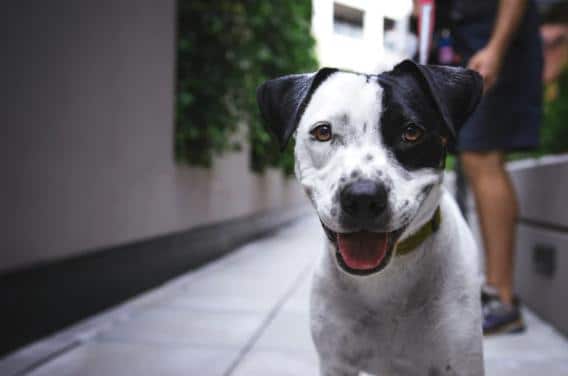
As a pet owner, the safety and well-being of your dog is a top priority. However, dogs and humans don't share the same language, so it can be difficult to tell when your dog is in pain. Some of the signs a dog is in pain are easy to spot, such as limping or a visible wound, but other signs may be more difficult to identify. How do you know if your dog is in pain? Read on for some telltale signs to know if your pet is in need of help. There are a number of subtle things you can watch for if you're worried that your pet might be hurting more than he or she is letting on. Remember, if you feel your pet is having a medical emergency, contact your veterinarian right away.
Limping
Dogs in pain often move around less. However, depending on what hurts, they may still move around but do so differently. Your pet may favor one leg more than another, limp, rise slowly, or show difficulty on stairs. For dogs that are having trouble with stairs due to leg or paw pain, it's usually the case that those having trouble going up the stairs have pain in their back end (hip, knee, paw), while those having trouble going down usually have a problem with their front end (shoulder, elbow, paw).
Lack of Appetite
One of the many explanations for poor appetite is pain. If you've ever had a toothache or earache, you'll know how pain can eliminate interest in food. Dogs often fast or eat less in an effort to heal when they are not feeling well. A loss of appetite and noticeable differences in the amount of water they're drinking are common symptoms. Difficulty eating, particularly dried food or firm chews, may indicate dental pain.
Antisocial or Aggressive Behavior
Dogs might stop running to greet you at the door, try to avoid contact, or even become aggressive. If your dog is hiding away or appears to be unusually antisocial, it could be an indication that they're in pain. Any noticeable change in behavior can be cause for concern.
Constant Localized Grooming
Dogs in pain will often lick their paws constantly in an attempt to soothe themselves. When dogs are hurt, one of their first instincts is to clean and care for the wound by licking it. This is obvious if it's a visible wound like a cut. However, even when pain is internal, dogs may lick that area in an attempt to fix the problem. Dogs will also lick their paws and rub their eyes if they are having eye pain. If you notice excessive self-grooming in general, it is a good idea to seek the help of your vet.
Unexpected Accidents in the House
Dogs in pain often have difficulty moving around, lying down, and getting up out of their bed. This can result in accidents in the house. If your dog is well house-trained but suddenly starts to urinate and defecate in the house, make sure not to rule out pain as the underlying cause.
Difficulty Resting
If your dog is hurting, it can make it difficult to sit or lie down. Because of this, you should check on them if you notice they are sitting or lying in an unusual position or seem to have trouble staying put. For example, they might keep trying to sit or lie down and almost immediately get up and move around again.
Excessive Panting
It's normal to pant after exercise or on a hot summer day. However, panting at rest can hint at anxiety or pain. Take notice if your dog seems to be panting more than usual and has not been exercising; this indication of possible pain should not be overlooked. Also, shallower breathing could mean it's painful to take a breath.
Whining or Vocalization
Uncharacteristic crying or whimpering can indicate physical distress. Excessive barking, yelping, growling, snarling, and even high-pitched howling could be your dog telling you that something isn't right. If your dog is vocalizing more than usual, take note, because this may be a sign something is wrong.
Changes in Sleeping Patterns
Any change in regular sleeping patterns might be a sign that your dog is in pain. Dogs will sometimes sleep more in an attempt to rest and heal the painful area, but some dogs may also sleep less due to the intensity of the pain.
Other Behavioral Changes
Any sudden behavioral change can often indicate pain. If your dog seems to be agitated more easily, or is suddenly shaking from nervousness more often — anything out of the normal — get your pet a check-up when you notice it.
It's very important to visit your veterinarian if you suspect your dog is in pain. It is often difficult to identify the source of your dog's pain at home, so it's always best to consult your vet, who can professionally diagnose the pain and advise you on the correct course of treatment. Catching a problem early can benefit your dog in the long run if things turn for the worse.
If your dog is in pain, it is a good idea to limit exercise and give your pet adequate time to heal. Place your dog's bed in a quiet, low-traffic area of the house so they can rest and recuperate. It's important to provide a comfortable dog bed that's the correct size and supports the entire body.
There are supplement products that can provide joint support. FlexPet is a natural daily joint supplement made without harsh additives.
How FlexPet May Help
- Supports joint comfort and a healthy inflammatory response
- Supports an active lifestyle
- Made with all-natural ingredients
- Made without harsh additives
- Recommended by veterinarians
About FlexPet: FlexPet is a joint supplement for dogs built around CM8® (cetyl myristoleate) — made in the USA and trusted since 1999. See what makes CM8® different →