
Heatstroke and Dogs - How to Beat the Summer Heat
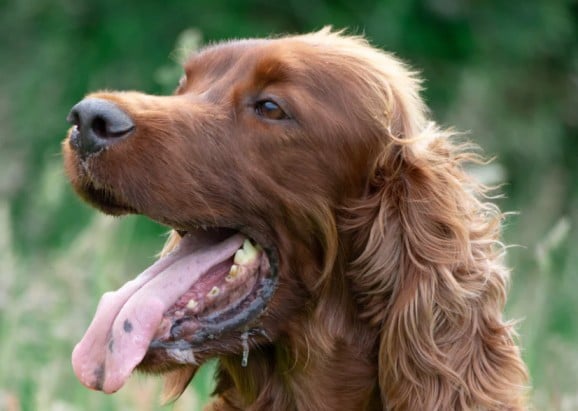
If it is too hot for you outside, chances are your dog feels the same way. With temperatures shattering records across the nation this summer, excessive heat warnings in regions unfamiliar with such blistering conditions may be putting your dog at risk of heat-related illness. We as humans are coated in millions of porous sweat glands to help us cool off. However, dogs have just a few, primarily on their paws, making it harder for them to regulate their body temperature.
This is why it is important to be aware of the signs of heat exhaustion in dogs, because once they start, heatstroke can worsen quickly without immediate attention. If left untreated, heatstroke can lead to brain swelling, kidney failure, intestinal bleeding, and blood clots.
What is Heatstroke in Dogs?
Heat exhaustion in dogs is also known as heatstroke. This occurs when their bodies reach above normal temperatures. For dogs, temperatures above 105 degrees Fahrenheit have reached heatstroke territory and may be life-threatening.
Dogs show several signs of heat exhaustion. This includes excessive panting, drooling, difficulty breathing, vomiting, stumbling, redness of the tongue and mouth, rapid heart rate, poor responsiveness, and seizures. If your dog seems restless while outside as they try to find a cool spot to relax in, it might be time to take them inside. Dogs will pant heavily to cool down.
Here are some tips to help avoid your dog suffering from heatstroke:
Never leave your dog in the car. In 85-degree weather, a car parked outside can reach internal temperatures in excess of 100 degrees within ten minutes. In another 20 minutes, it can reach 120 degrees. You can see why leaving your dog inside could lead to serious problems very quickly.
Keep your dog inside during the middle of the day. During the summer months, the hottest parts of the day are generally between 11 AM and 3 PM. Ensure your dog stays inside and avoids rigorous exercise during these hours, except for perhaps a short walk.
Keep water bowls filled and ready wherever your dog rests or plays. If your pup has regular access to both the inside and out, it is important to keep a water bowl in both areas.
If you own a long-haired dog, make sure to have them groomed more frequently during the summer months. It can be wise to ask the groomer for a shorter cut, as opposed to what your dog normally gets.
If your dog does play outside during the hotter parts of the day, consider bathing them afterwards, or at least spraying them down with a hose to help cool their internal body temperature. Dogs do not sweat through their coat, with panting the primary way they cool down.
Follow these tips to help keep your dog cool during the 'dog-days of summer'. Never leave your pup in a parked car, and during hot days report any dogs you see trapped in one.
About FlexPet: FlexPet is a joint supplement for dogs built around CM8® (cetyl myristoleate) — made in the USA and trusted since 1999. See what makes CM8® different →