
Hay Fever, Pollen, Seasonal Allergies and Pets
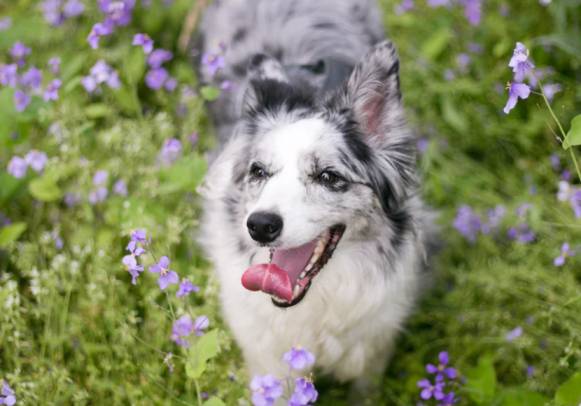
Can Dogs Be Affected by Seasonal Allergies?
Dogs can suffer from seasonal allergies and hay fever from pollen, just like humans. Allergies in pets are common, and it's that time of year when you might notice your pet scratching, sneezing, or coughing — especially if the windows are open. The spring allergy season is expected to be a little more intense this year due to warmer temperatures, higher pollen counts, and less rain.
Hay Fever
Hay fever in pets is an allergy that is common in May through July. The allergic reaction is caused by a dog's response to pollen in the air. It's a type of atopy, which is due to allergens, including pollen, penetrating the skin. An allergy to pollen is less common than an allergy to fleas or house dust mites, and it's not easy to tell the difference unless your dog receives a test for allergies.
For humans, common hay fever symptoms include itchy eyes, a runny nose, and sneezing. However, pollen affects dogs differently than us; allergies in pets usually affect the skin. A sensitivity to pollen allergens may cause inflammation in the lining of the nose and in the eyes, which is what then causes your pet's symptoms. If your dog is more often itching, biting, or rubbing any of the following areas during the spring or summer, there's a good chance they have hay fever:
- paws
- eyes, ears, mouth
- armpits
- abdomen
- legs
- groin area
Certain dog breeds are more susceptible to developing seasonal allergies, including Dalmatians, Irish Setters, Poodles, Schnauzers, and West Highland Terriers.
Allergies in Pets — What May Help
While there isn't a cure for allergies, there are topical pet hay fever options available that a veterinarian can recommend. These can help soothe the symptoms on a daily basis. Unlike humans, where a general antihistamine pill is often sufficient to prevent allergy symptoms, targeted approaches tend to work better for pets. Your vet may prescribe eye drops or nasal sprays. In severe cases, vets can also administer injections to help get symptoms under control.
At-Home Steps for Allergies in Pets
- Walk your pet early in the morning or later in the evening to avoid high pollen counts that occur at midday
- Keep the grass cut short in your yard
- Keep your pet's ears clean to prevent irritation
- Grooming will help remove pollen from their skin, even if you can't see it
- Wipe fur, skin, and paws with a damp cloth to remove excess pollen after a walk
- Wash bedding regularly
- Use an air filter system to help within the house
- Vacuum on a regular basis
- Keep on top of your pet's flea and worm treatments to help reduce itching
About FlexPet: FlexPet is a joint supplement for dogs built around CM8® (cetyl myristoleate) — made in the USA and trusted since 1999. See what makes CM8® different →