
Elbow Dysplasia in Dogs
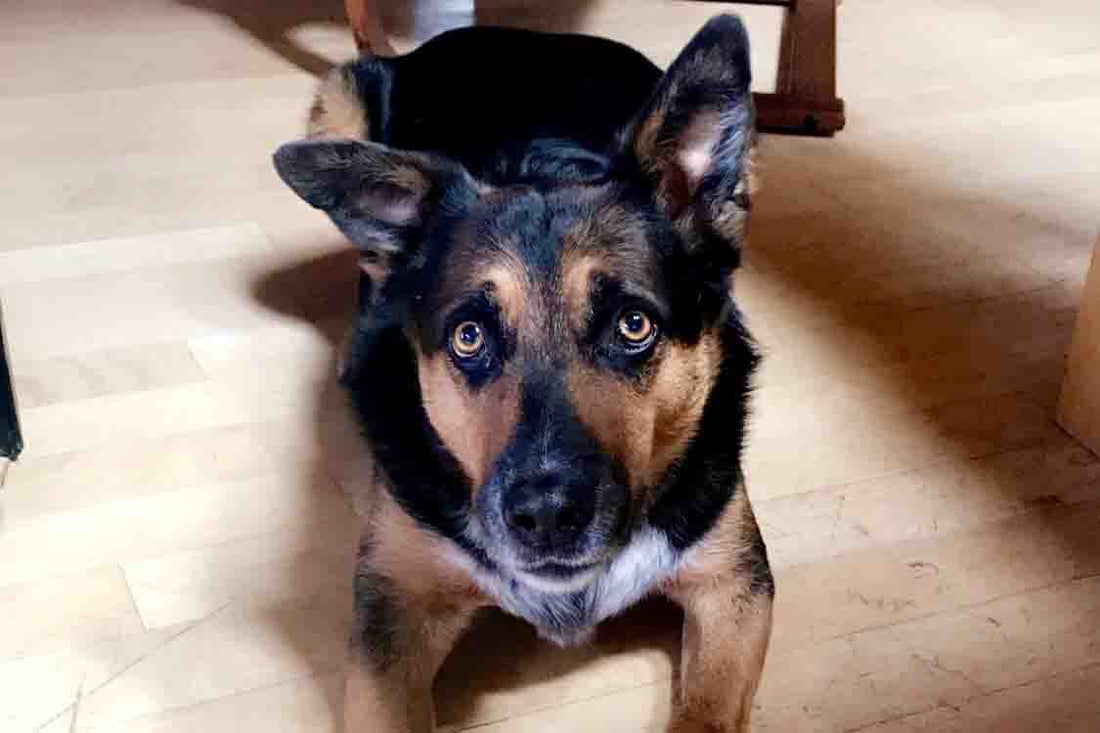

Elbow dysplasia in dogs is an abnormal development of the elbow joint. The canine elbow is made up of three separate bones — the radius, the ulna, and the humerus — which need to grow and develop in unison to maintain a tight-fitting, smooth-moving joint. These abnormalities mainly occur in medium-sized and large-breed dogs. It's a painful condition that can lead to lameness and arthritis.
There are three common developmental problems referred to as elbow dysplasia: a fragmented coronoid process (FCP), osteochondritis dissecans (OCD), and ununited anconeal process (UAP). Dogs that develop elbow dysplasia typically have only one of these three conditions; having more than one would be extremely rare. A dog with elbow dysplasia will show signs of foreleg joint pain, inflammation, and difficulty walking. Below we cover the three underlying conditions, signs and symptoms, and treatment options.
Elbow Dysplasia Overview
Dogs with elbow dysplasia typically show signs between 4 months and a year of age. Researchers believe it's often caused by unsynchronized growth of the three foreleg bones, causing a misalignment of the elbow joint. It can also result from obesity putting more weight on the joint, as well as poor nutrition. Research indicates the condition can be inherited, and in some breeds like the Labrador Retriever it affects males about 75% more commonly than females. Large breeds such as German Shepherds, Labradors, Bernese Mountain Dogs, and Rottweilers are the most prone. Here's an overview of the three conditions:
- Osteochondritis Dissecans (OCD) — a joint disorder where cracks develop in the articular cartilage and underlying subchondral bone, causing pain and swelling that may catch or lock during movement.
- Fragmented Coronoid Process (FCP) — a defect of one of the coronoid processes (small bony protrusions on the end of the ulna), where one develops a fissure and separates from the rest of the bone.
- Ununited Anconeal Process (UAP) — occurs when the anconeal process fails to connect and fuse with the ulna; this process is critical for proper, healthy formation of the elbow joint.
While elbow dysplasia usually develops during a dog's first year, joint conditions are common across all ages and breeds — in fact, about one in five dogs is believed to have a form of joint arthritis.
Elbow Dysplasia Signs and Symptoms

The most common symptom of elbow dysplasia is elbow joint pain. Pain can be hard to gauge in animals since they rarely cry out and often instinctively hide it, but there are overt signs. Crepitus — a popping sound associated with elbow movement — is one, caused by arthritis when a medial fragmented coronoid process isn't corrected. Your dog may also show a decreased range of motion, where the leg can't flex or extend to its normal degree, and inflammation or swelling of the tissue around the elbow. With this condition, both front legs are usually involved.
If you suspect your dog has elbow dysplasia or is experiencing painful symptoms, it's important to seek veterinary help. The condition is diagnosed through examination and x-rays. A fragmented coronoid can be difficult to see on an x-ray, so your veterinarian may note associated elbow arthritis, bony fragments near the coronoid process, or bone loss where the coronoid attaches to the ulna. A CT scan may also be recommended to confirm the diagnosis.
Elbow Dysplasia Treatment for Dogs
While this condition is often hereditary, it also develops over time. Maintaining a healthy weight and diet is very important, and you may want to consider a daily joint supplement as part of your pet's routine. If your dog has been diagnosed with elbow dysplasia, your vet may prescribe medication.
Nonsteroidal Anti-Inflammatory Drugs (NSAIDs). Popular examples include Tramadol, Rimadyl (carprofen), Metacam (meloxicam), Novox (carprofen), Galliprant, or Previcox (firocoxib). NSAIDs provide temporary relief and aren't without long-term side effects — mainly seen in the digestive tract, kidneys, and liver — so they should be used at the smallest effective dose for the shortest time.

Adequan. Adequan is an injectable drug used to help support cartilage and joint lubrication. It's considered safer for long-term use than some other medications but is more expensive and must be given by injection by a veterinarian. It isn't a cure, relief is temporary, and multiple injections may be required over time; prolonged injections may cause vomiting, diarrhea, behavioral changes, or lethargy.
Surgery. Surgery often works well for elbow dysplasia if caught early, but owners should be aware that any arthritis already present in the joint will continue to cause discomfort even after surgery. The most frequently used procedure is removal of the extra bone fragment. If you and your vet decide surgery is the best step, choose a board-certified veterinary orthopedic surgeon who can perform arthroscopic surgery.
Daily Joint Support
Many owners use a high-quality joint supplement with glucosamine sulfate potassium as part of supporting their dog's joints. Not all glucosamine supplements are the same; the glucosamine sulfate potassium form is generally considered more effective than glucosamine hydrochloride. Using prescribed medications is a balancing act of benefits versus risks, and a daily supplement can be part of a supportive routine alongside your veterinarian's care.
Flexpet is an all-natural daily supplement formulated to nourish the joints and support healthy cartilage, the joint's natural lubricating fluid, and a healthy inflammatory response. Flexpet is a supplement, not a medication — it isn't intended to diagnose, treat, cure, or prevent elbow dysplasia or any other disease, and it isn't a substitute for veterinary care. Flexpet is built around CM8® (cetyl myristoleate), a naturally occurring fatty acid studied for its role in supporting joint comfort and a healthy inflammatory response, and also contains:
- Glucosamine Sulfate Potassium — plays a key role in cartilage construction and the incorporation of sulfur into cartilage.
- MSM (Methylsulfonylmethane) — a naturally occurring sulfur compound; sulfur is needed by the body to form connective tissue.
- Hydrolyzed Collagen Type II — a building block of the cartilage that cushions the joints, providing tissue-oriented nutritional support.
- Bromelain — a plant enzyme found in pineapple that supports a healthy inflammatory response.
- Enzyme Blend — helps the body absorb larger molecules like CM8® so your pet gets the most from each serving.
The Flexpet Guarantee
We back Flexpet with a 90-day satisfaction guarantee. If you're unsatisfied, simply return the empty pouches/bottles (up to three) for a refund of the purchase price, less shipping and handling — no hassles. It can be upsetting to learn your dog has joint pain or arthritis, but with proper veterinary care — and daily joint support as part of the routine — your dog can continue to live a long, fulfilling life. Questions? Call our customer care team M–F, 9am–6pm EST at 1-800-505-0575.